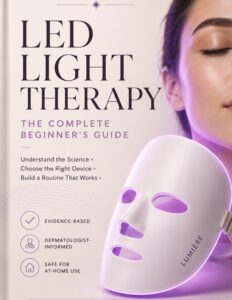

Best at-home red light therapy device for face is the phrase topping every skincare tech shopper’s list in 2026, and for good reason. As clinical evidence piles up, buyers are expecting clear specs, FDA clearance, and real-world results— not just glowing promises. If you want a red light device for the face that actually works, you need to dig deeper than marketing hype. Here’s how to pick one by the numbers.
Key Takeaways
- Clinical studies show red light therapy at 630 to 660 nm can reduce facial wrinkles and improve skin firmness, but only at proven settings and protocols.
- FDA clearance, published clinical evidence, and transparent technical specs like wavelength and irradiance are essential for serious buyers.
- Mismatched specs, unsupported claims, and vague return policies are leading reasons buyers return devices—always vet manufacturers before you purchase.
- Market leaders (2026): FDA-cleared at-home red light devices for the face—quick comparison
- What the clinical evidence says about anti-aging (wavelengths, protocols, and outcomes)
- The objective specs that actually predict results
- Safety profile & contraindications every buyer needs to know
- Most frequent user complaints and return reasons
- Usability & safety details commonly missing from the top 3 Google articles
- How to vet a manufacturer and what to ask before you buy
- Short buyer cheat‑sheet & recommended priorities for 2026 shoppers
- FAQ
Market leaders (2026): FDA-cleared at-home red light devices for the face—quick comparison
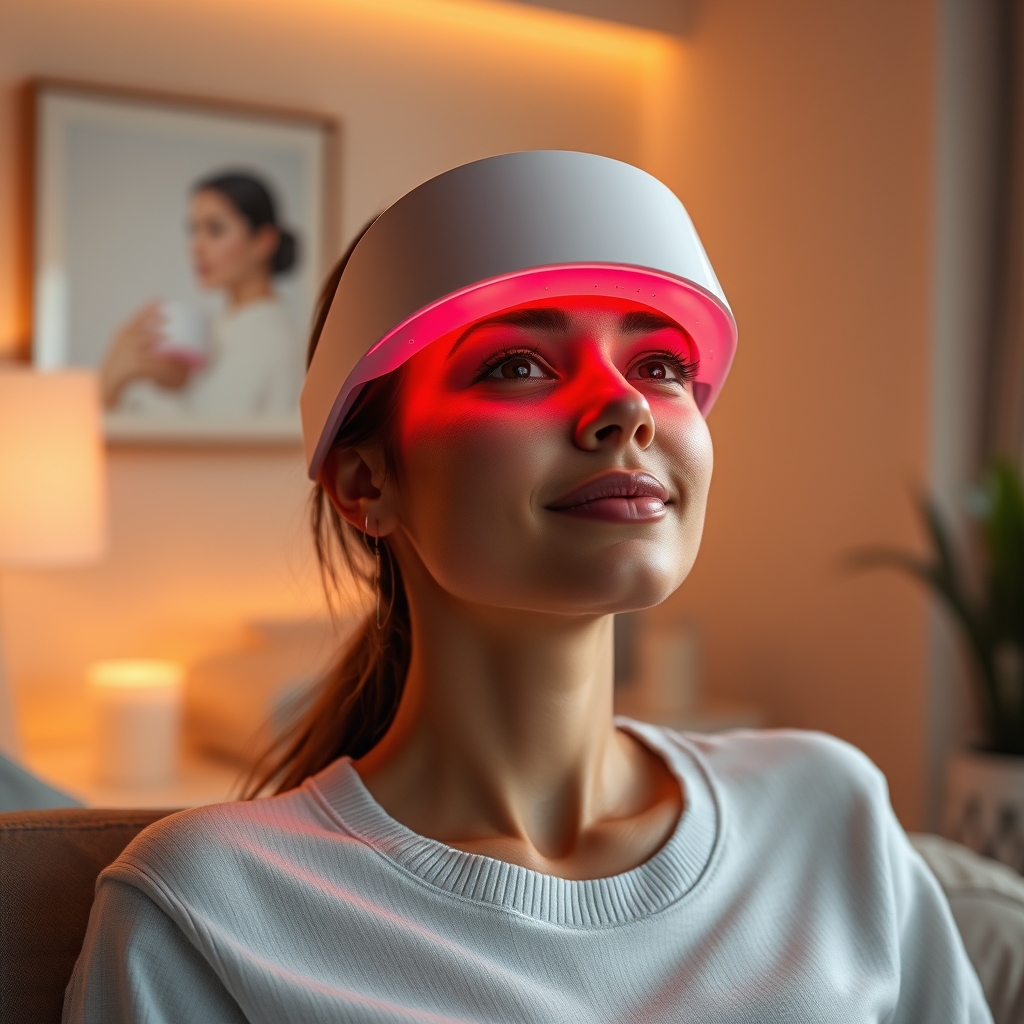
If you’re evaluating the Therabody TheraFace Mask, start with the shortlist of FDA-cleared options. Only a handful of brands offer published clinical trials, specify treatment wavelengths, and share detailed specs:
| Device | Form Factor | FDA Cleared? | Advertised Wavelength(s) | Irradiance / Fluence Specified? | Published Clinical Trials? |
|---|---|---|---|---|---|
| Therabody TheraFace Mask | Flexible Mask | Yes | 630±10 nm, 660±10 nm | Yes (manufacturer reports; e.g. ~36 mW/cm2) | Yes (12-week/3 month trial, 20 subjects: 12 min/twice a week, significant wrinkle, firmness, and dermal density improvement; published 2023) |
| CurrentBody Skin LED Mask Series 2 | Flexible Mask | Yes | 633 nm, 830 nm NIR | Partial (not always at-user distance) | Yes (real-user studies; improved wrinkles and elasticity reported) |
| Shark CryoGlow Mask | Rigid Mask | Yes | 630 nm, 660 nm | No (not published) | Partial (uses industry protocol but lacks full peer-reviewed data) |
| Aduro LED Mask | Flexible Mask | Yes | 630–660 nm (varies by mode) | No (claims, no clinical test numbers for all models) | Partial (some published reports, limited parameters shared) |
| Dr. Dennis Gross DRx SpectraLite FaceWare Pro | Rigid Mask | Yes | 630 nm red, 660 nm deep red, 415 nm blue | Partial (some published, not standardized across updates) | No formal population trial for current model |
Notice that the FDA cleared at home red light therapy for face segment is still dominated by mask-style devices. Only a small number of panel and handheld devices (like Mito Red or PlatinumLED Bio) are FDA cleared specifically for facial anti-aging—most panels are cleared for general wellness. Always check the clearance scope.
For serious clinical evidence, Therabody’s TheraFace mask stands out. Their 2023 clinical study used 630±10 nm, 12 minutes/session, twice a week over 12 weeks, and measured significant wrinkle and firmness improvements (cite). This protocol mirrors the design of leading at-home LED trials (Cureus).
For a full expert review of one market favorite, see our CurrentBody Skin LED Light Therapy Mask Series 2 review.
What the clinical evidence says about anti-aging (wavelengths, protocols, and outcomes)
The best red light therapy device is defined by what rigorous studies prove, not just what’s sold. Over the past decade, published clinical trials for facial anti-aging repeatedly use wavelengths between 630 and 660 nm, with clearly defined session durations and protocols:
- 2023/2024 multicenter trial: Red LED mask (630±10 nm), 12 minutes, twice weekly, 3 months (see details):
- Results: Measurable reduction in crow’s feet (wrinkle depth), increased skin elasticity, firmer skin, higher dermal density via ultrasound.
- 2024 split-face trial: 660 nm red light vs. 590 nm amber, 10 sessions over 4 weeks (PMID: 36780572):
- Results: ~30% reduction in periorbital wrinkles; red light outperformed amber.
Other published data consistently report outcomes like visible wrinkle reduction, smoother texture, improved elasticity, and measurable boosts in collagen and dermal density (Vital Red Light).
Every major positive study matches these parameters: controlled treatment wavelength, regimented session time (10-15 min), regular frequency (at least twice a week), and adherence for at least 4–12 weeks. Devices that lack these specs rarely show robust results. Reliable clinical guidelines now support this technology for skin rejuvenation when following trials’ protocols.
The objective specs that actually predict results
Here’s what actually matters (and what the top home red light devices for anti aging 2026 list will all specify):
- Wavelength (nm): Only devices in the 630–660 nm ‘proven’ band have consistent facial results. Watch for ambiguous “red” claims without specifics.
- Irradiance (mW/cm2): This is the intensity at which light reaches your skin. Minimum effective clinical range is typically 30–60 mW/cm2 at user distance. Lower than this may underdose your skin, especially if the LED quality is poor or specs are not measured at the treatment position.
- Fluence (J/cm2): Total light delivered per session. Most clinical protocols deliver about 7–10 J/cm2 in 10–15 minutes. Fewer joules, delivered quickly (higher irradiance but short time), may not be as effective.
- Session Time and Frequency: The best at-home protocols use 10–15 min, twice per week, over at least 4 weeks (see peer-reviewed product guide).
- Coverage & Uniformity: Mask devices ensure full and even facial coverage. Panels/handhelds require repositioning or risk uneven effects.
Read manufacturer spec sheets. Question any device that won’t share its measured wavelength bandwidth, irradiance at actual user face distance, and session fluence. Unclear specs often equal disappointing results.
Safety profile & contraindications every buyer needs to know
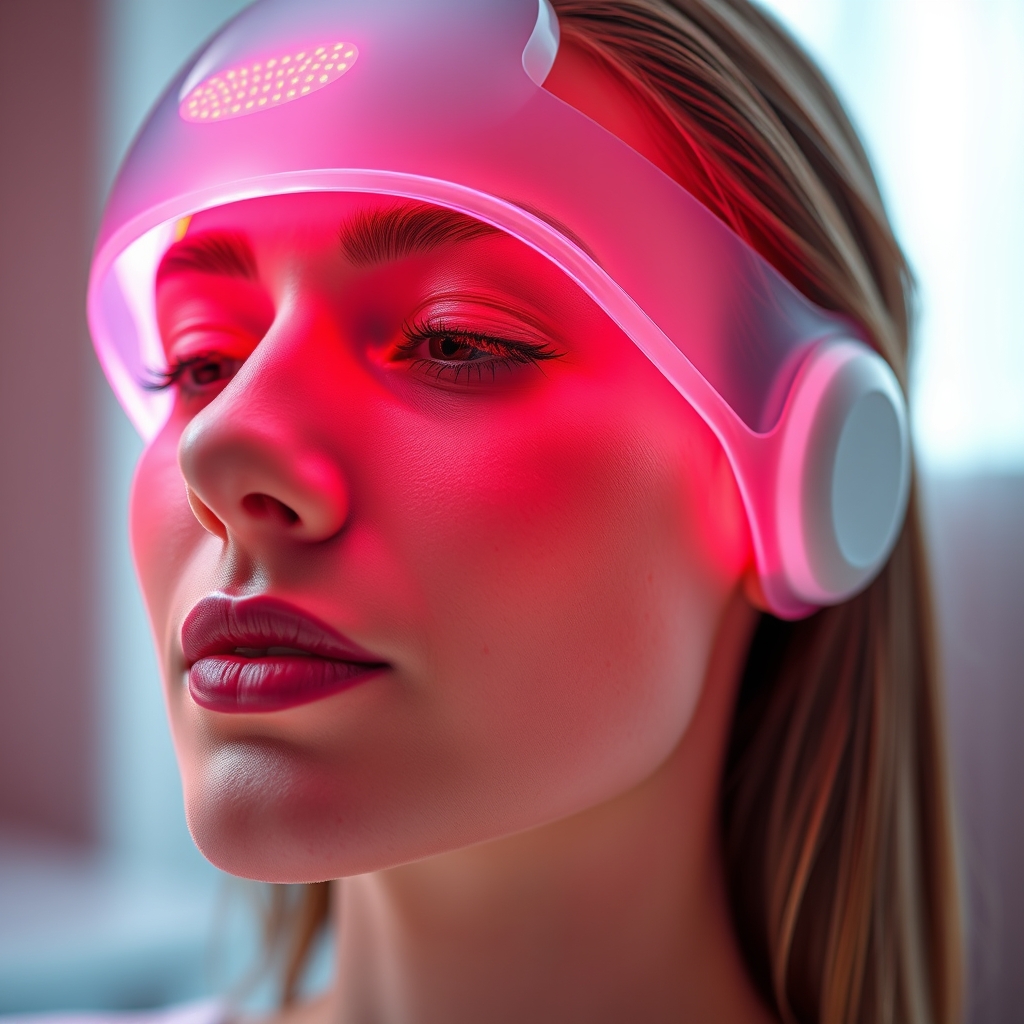
All major clinical studies and the latest dermatology consensus say: facial red light therapy is very safe when proper eye protection and protocols are followed (detailed safety review). Here’s what you need to know:
- Most common side effect: Mild, temporary redness lasting a few hours. Reported in a handful out of hundreds of subjects. No persistent or serious skin complications.
- Eye safety: Direct red LED exposure may harm eyes. Use certified goggles provided in the box—avoid devices that downplay this or skip it altogether.
- Who should avoid it: Anyone with photosensitive conditions, on light-sensitizing meds, or with inherited eye disorders. Consult your dermatologist first.
- Important device safety features: Automatic shutoff (prevents overtreatment), intensity controls, heat management, FDA electrical/safety certification, included eye protections.
A 2025 consensus by the American Academy of Dermatology supports red light therapy’s overall safety and long-term use when buyers stick to trial-tested parameters. Serious adverse reactions have not been reported in quality studies as of 2026.
If you’re interested in red light therapy for anti-aging, see this CurrentBody Skin review for a safety and usage deep-dive.
Most frequent user complaints and return reasons
Here’s the value that matters—what real buyers actually end up frustrated about, backed by thousands of reviews and clinical reporting:
- “No visible results”: Often due to underdosing, incorrect protocol, or using a device that doesn’t match clinical parameters. Patience is required—major studies measure results at 4+ weeks, sometimes 3 months.
- Total treatment time is too long: Some panel/handhelds require moving the device repeatedly for even coverage, turning an advertised 10-minute session into 30+ min.
- Discomfort: Warmth or mild temporary redness (documented in trials), rare but possible.
- Unclear or misleading specs: Many complaints stem from buyers not being able to verify wavelength, irradiance and not knowing if their device is FDA cleared at all.
- Build quality/battery issues: Rigid masks may crack, battery-powered handhelds can lose charge fast.
- Unsupported marketing claims: Devices that reference “NASA technology” or “medical grade” with no published trial data.
- Dodgy return policies: No return window, or “return only if unopened/plastic sealed.” Always ask before you buy.
How can you avoid these headaches?
- Test your device’s output if possible—request full documentation.
- Read real clinical studies and cross-check with device usage protocols.
- Insist on brands with FDA clearance and published trial data (for example, Therabody’s TheraFace study).
- Buy only from reputable retailers with clear, no-questions-asked, 30+ day returns.
For detailed troubleshooting and repair advice, explore our in-depth troubleshooting guide.
Usability & safety details commonly missing from the top 3 Google articles
Most mainstream “top 10” articles skip the very data you need to make an informed choice. Here’s what you won’t find in many guides—but should absolutely demand:
- Exact emission wavelength(s) and spectrum/bandwidth, not just “red LED” claims
- Irradiance in mW/cm2 clearly stated at in-use face distance
- Total session fluence (J/cm2) for the recommended protocol
- Published, peer-reviewed trial results for the actual model—not “lab data” or small pilot studies
- Full clinical protocol: session length, frequency, duration, application method, and blinded endpoints
- Scope of FDA clearance: exact indications (anti-aging, wrinkle reduction, general wellness), with number and publication info
- All reported adverse events and device contraindications
When you read device reviews lacking these technical and clinical details, remember you risk getting a product that doesn’t match the positive trial data. For guidance on spotting reliable data, check out the Cureus product guide. For true user data, see our guide on mask feature comparisons.
How to vet a manufacturer and what to ask before you buy
Don’t purchase on trust—get the answers up front. Here is a checklist to ensure your next facial red light therapy device passes muster:
- Exact wavelength(s) and bandwidth (should be 630–660 nm, bandwidth ±10 nm specified)
- Irradiance (mW/cm2) at user distance: ask for their technical measurement method
- Fluence (J/cm2): total per session—should match clinical protocols
- Published clinical study: request the full PDF protocol (not just an infographic or marketing claim)
- FDA clearance: request documents; check that the clearance covers anti-aging for facial use, not just “general wellness”
- Recommended treatment plan: how many minutes, how often, for how many weeks
- Electrical and eye safety certification: look for labeling, not just verbal assurances
- Return policy and warranty: at least 30 days open-box return, full parts warranty
For an example of transparency, see how Therabody publishes their 12-week clinical study protocol for the TheraFace mask. Hold every brand to that standard.
For more buying advice and comparisons, see our full buyer’s guide.
Short buyer cheat‑sheet & recommended priorities for 2026 shoppers
- FDA clearance and indication: Confirm anti-aging, facial use specifically.
- Published clinical trial with your device or predecessor: Review treatment protocol—should match your goals.
- Wavelength: 630–660 nm, bandwidth disclosed (not “red” alone).
- Irradiance/fluence clearly documented: Look for 30–60 mW/cm2, fluence at least 7–10 J/cm2 per session.
- Session time and facial coverage suits your tolerance: 12 minutes, twice a week is sustainable for most buyers.
- Open, fair return policy and 1+ year warranty.
Device categories to consider:
- Mask: Best for full-face, hands-free use, quickest coverage & most studied.
- Handheld: Targeted wrinkles or periocular/upper lip spots; require more patience for area-by-area treatment.
- Panel: Covers a larger body area, but usually requires holding in place and repositioning for even facial coverage—better for multi-zone routines.
Most important specs by category:
- Masks: Wavelength, irradiance, clinical-trial protocol matching, coverage.
- Handhelds: Same as above, but battery life and shape fit matter more.
- Panels: Coverage area uniformity, session time, and repositioning requirements.
If you are on the fence, prioritize devices that have published trials at ~630 ± 10 nm and 660 nm, with session frequencies matching those in the best studies (e.g., 12 min twice weekly for 3 months or 10 sessions over 4 weeks with 30% wrinkle reduction).
FAQ
How soon will I see results with an at-home red light therapy device for the face?
Most clinical studies show noticeable improvements in wrinkles, firmness, and skin texture at 4–12 weeks with consistent use (12 minutes, twice per week). Results are gradual, not instant—patience is key.
Is red light therapy safe for all skin types?
Clinical evidence shows red light therapy is safe across skin types when following recommended protocols. Always use eye protection and consult your dermatologist if you have a photosensitive condition or take light-sensitizing medications.
Can I use my device more often than recommended?
More is not always better. Clinical trials set frequencies (usually twice per week) for safety and efficacy. Overusing a device can cause temporary redness or irritation but does not guarantee better results.
What specs should I demand from the manufacturer?
Require the exact wavelength (in nm), irradiance at user distance (mW/cm2), total fluence per session, FDA clearance documents, and a published clinical study PDF. Transparency is a sign of a reputable brand.
What’s the difference between mask, handheld, and panel red light devices for the face?
Masks offer hands-free full-face coverage and are best-studied; handheld devices are good for targeted spots but are slower; panels cover larger areas but need repositioning for even facial treatment.
Bottom line: buy based on science, specs, safety—and only from brands that prove it. Want a deep-dive device review that checks all these boxes? Explore our CurrentBody Skin LED Mask review and see why it’s still a favorite in 2026.
If you’re ready to begin, compare actual clinical specs and buy a device that truly delivers—the best at-home red light therapy device for face is the one backed by evidence, not just clever branding.