
### Blog Post:
10,000 lux light therapy is a clinically validated, non-drug intervention used to treat seasonal affective disorder (SAD) and improve low winter mood—especially when sunlight is scarce.
Key Takeaways
- 10,000 lux light therapy is the gold standard for treating SAD at home, but correct intensity, device selection, and usage habits are critical for safety and efficacy.
- Recent updates from the American Academy of Dermatology and Cleveland Clinic reinforce the need for clinically validated devices—yet there are key research gaps (notably long-term outcomes and real-world buyer experience).
- Common pitfalls include inadequate lux at user distance, glare, and adherence difficulty—solvable with careful device choice, setup, and adherence to medical guidelines.
- Snapshot — What 10,000 lux light therapy is and why clinicians recommend it
- Step-by-Step Guide: How to use 10,000 lux light therapy safely and effectively
- Advanced Analysis & Common Pitfalls
- Conclusion
- FAQ
Snapshot — What 10,000 lux light therapy is and why clinicians recommend it
10,000 lux refers to the amount of visible light reaching your eyes from a SAD lamp or light box—it’s about 10 to 20 times brighter than typical indoor lighting. “Lux” measures illuminance (light per unit area). This intensity is key to mimicking morning sunlight, which helps synchronize your internal clock, suppress excess melatonin, and lift mood in people with seasonal affective disorder (SAD).
Clinicians recommend 10,000 lux as the standard dose because it shortens session time (usually 20–30 minutes daily) and has the best evidence for speed and magnitude of benefit. Lower intensities (like 2,500 lux) require much longer sessions, while specific-wavelength LED devices target other conditions and are not interchangeable with broad-spectrum white light used for SAD.
The American Academy of Dermatology and the Cleveland Clinic both updated their guidance on home and clinical light therapies in 2024, emphasizing the importance of medical-grade intensity, white full-spectrum light, and UV blocking features (AAD 2024, Cleveland Clinic 2024).

Step-by-Step Guide: How to use 10,000 lux light therapy safely and effectively
- Choose a verified 10,000 lux device: Confirm lux output at your typical seated distance. Don’t trust “10,000 lux” on packaging unless there is third party testing. Features to prioritize: UV blocking, adjustable angle, and clinical endorsements. See our best 10000 lux light box round-up for vetted options.
- Set the device 12-18 inches from your face: Maintain this distance for the true 10,000 lux effect (check with a lux meter if possible). Sitting further away drops intensity below the clinically recommended threshold (PMC product guide).
- Session timing: Start with 20–30 minutes each morning, ideally before 10am and while doing desk tasks. Most users improve within 2–4 weeks and may need 8–12 weeks for maximal effect (see timeline benchmarks).
- Avoid looking directly at the light: Position the box slightly to the side, at or above eye level, to minimize glare and eye strain while still allowing light to reach the eyes indirectly.
- Build consistency: Use the lamp daily during the winter low mood period. Missing sessions may delay response.
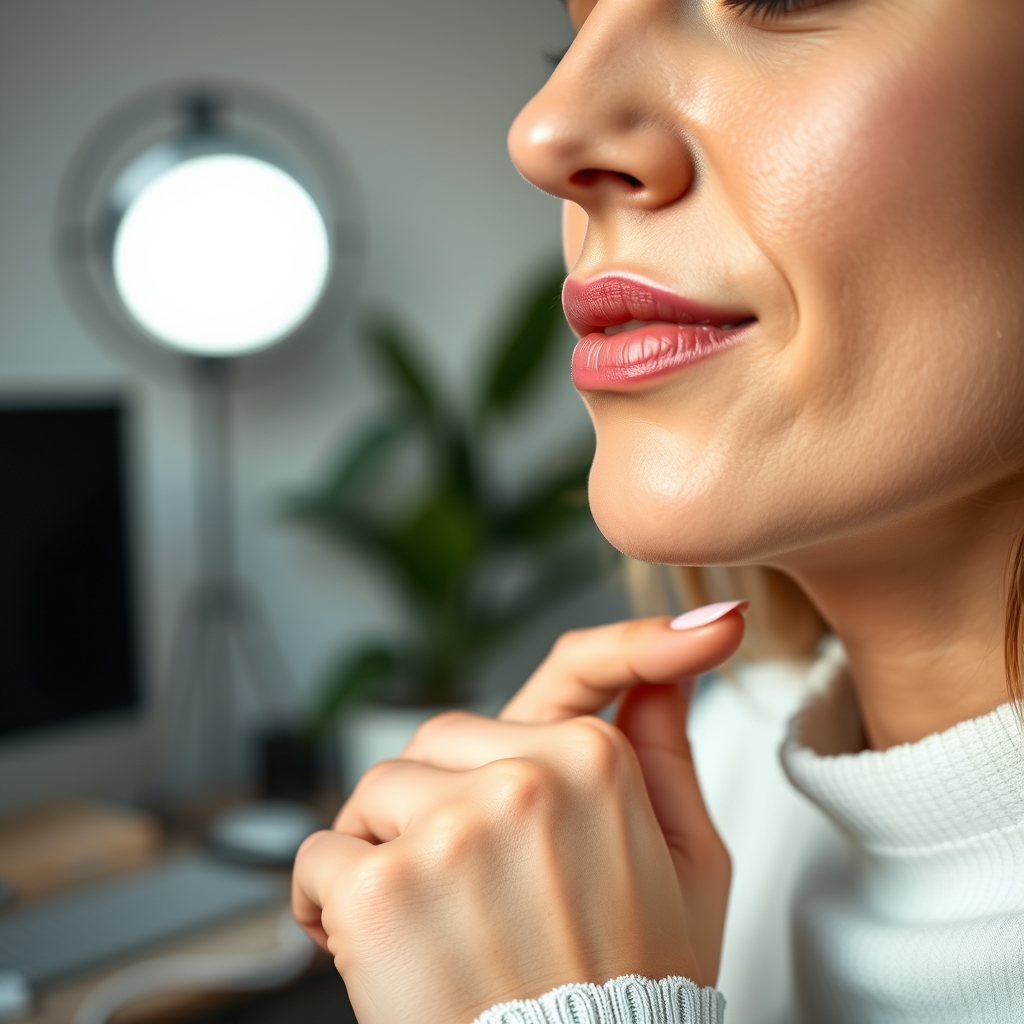
Sample Daily Schedule (10,000 Lux Therapy)
- 6:30–7:30am: Wake up, set up lamp at desk or breakfast table
- 7:30–8:00am: 20-30 minute session while reading, working, or eating breakfast
- 8:00am onward: Power off lamp, continue normal routine
Allow at least 2–4 weeks before judging effect. Titrate down session length if you develop headache, eyestrain, or jitteriness (“overstimulation” usually resolves with a shorter session).
See our detailed guide to 10,000 lux daily schedule for individual adjustments.
Advanced Analysis & Common Pitfalls
Despite clear medical guidelines on 10,000 lux light therapy (AAD 2024 guidance), there are practical reasons therapy fails in real life:
- Device misinformation: Many “10,000 lux” SAD lamps offer far less light at usable distances. Always check third-party test results or measure yourself. Consider the clinically recommended 10000 lux devices listed here.
- Glare and eye strain: This is the top complaint in 2024 buyer reviews (Amazon, Best Buy, Trustpilot). Look for models with glare filters and never sit closer than manufacturer’s minimum distance.
- Space issues and design: Some units are bulky or noisy. If desk space is limited, prioritize slim or wall-mounted models. Cord length can also be a surprise limitation, especially with cheaper, “affordable 10000 lux SAD lamp” options.
- Adherence challenges: Many people stop after a week—when improvement is usually still weeks away. Set calendar reminders and build it into a fixed part of your morning routine.
- Insufficient lux at user distance: Even “top-rated” lamps often dip to <2000 lux if you’re 2 feet away. Always check or measure.
Current RCT research (2022–2024) specifically for broad-spectrum 10,000 lux therapy in SAD is limited. Most reviews and trials focus on photobiomodulation (LED, red/NIR) for skin or mood (product guide, AAD 2024), with robust safety but different intended indications. This is a major research gap for long-term (>1-year) data on SAD use.
Below is a quick comparison of therapy types:
| Feature | 10,000 lux White Light | 2,500 lux Light | Red/NIR LED Therapy |
|---|---|---|---|
| Typical Session | 20–30 min | 60–120 min | 10–30 min |
| Primary Use | SAD/Mood | SAD (less effective) | Skin, some off-label mood |
| Lux Needed at User | 10,000 | 2,500 | N/A (wavelength vs intensity) |
| Key Safety Issues | Glare, eye strain, mania (bipolar) | Fatigue, adherence | Retinal contraindications (if ocular exposure) |
For a direct link to affordable 10000 lux SAD lamp options, see our buyer’s checklist and device testing notes.
Before You Start: Safety Checklist
- Do NOT use if you have bipolar disorder without psychiatric supervision—mania is a proven risk.
- Contraindicated in active retinal disease or with certain photosensitizing medications—confirm with a clinician.
- Always use lamps with full UV blocking labels.
- If mood unexpectedly worsens or you feel “over-energized,” stop therapy and consult your clinician.
Explore our complete guide to 10,000 lux SAD lamp selection for detailed pre-use checks and device screening tips.
Conclusion
Properly applied, 10,000 lux light therapy offers a safe, fast-acting, and practical approach for many people with seasonal depression. But not all lamps are created equal—and gaps in recent 2022–2024 clinical outcome data should make every buyer cautious. The right device, at the right distance, with regular use will put you on the best path forward. Safety always comes first: if in doubt, consult a clinician before starting 10,000 lux light therapy at home.
Ready to find the best-fit device? See our clinician-endorsed 10000 lux lamps and use our buyer’s checklist to verify claims before you buy.
Have more questions? Keep reading for expert-vetted answers below.
FAQ
How far should I sit from a 10,000 lux light box?
For most models, 12–18 inches is ideal to reach the advertised 10,000 lux. Any further and you may only get a fraction of the recommended intensity.
How soon will I notice results?
Most users experience uplifted mood within 2–4 weeks. Maximum benefit for SAD can take up to 8–12 weeks of consistent, daily morning use.
Are there side effects from 10,000 lux light therapy?
Some users report headache, eyestrain, irritability, or jitteriness in the first week. Sessions can be split or shortened to minimize discomfort.
Is 10,000 lux safer or better than red light therapy for mood?
For SAD, 10,000 lux broad-spectrum white light is better supported by clinical guidelines. Red/NIR LED therapy is safer for skin but not interchangeable for treating SAD; evidence bases differ.
When should I talk to a doctor before starting light therapy?
Consult a clinician if you have bipolar disorder, eye disease, take photosensitizing medication, or if you have never been diagnosed with SAD. Seek medical advice if mood worsens while using a lamp.
—